Add Row
Add Element
Add Element
cropper
update
Texas Business Now
update
  • Home
  • Categories
    • Texas
    • Business
    • News
    • Insights
    • Innovation
    • Technology
    • Economy
    • El Paso News
    • Austin News
    • Dallas News
    • San Antonio News
    • Ft. Worth News
    • Houston News
    • Business Leader Spotlight
    • Extra News
    • Featured
March 21.2025
3 Minutes Read

Jensen Huang's New Robotics Engine: A Game-Changer for Disney 'Star Wars' Droids

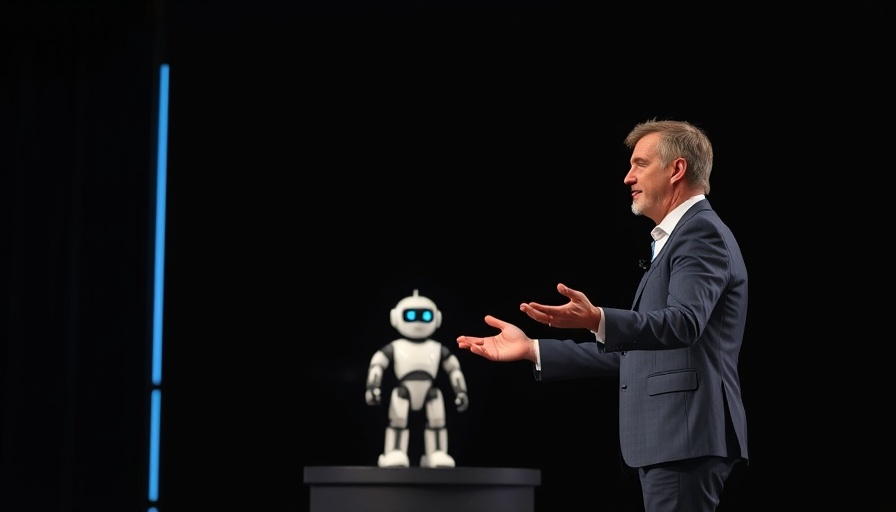
Presenter and robot on stage unveiling new robotics engine.

Revolutionizing Robotics: What Jensen Huang's Announcement Means

In a groundbreaking announcement at a recent event, Jensen Huang, the CEO of NVIDIA, unveiled a new robotics engine that promises to elevate the capabilities of robots across various industries. While the technical nuances of this advancement are complex, its implications for the entertainment industry, particularly in creating lifelike droids for Disney's 'Star Wars' franchise, are both exciting and significant.

The Intersection of Technology and Entertainment

The intersection of robotics and entertainment has often been seen in sci-fi movies, but today, it is becoming reality. Huang's new robotics engine leverages advanced AI to create adaptive smart systems. This technology refers to robots that are not only able to perform tasks but can also learn and adapt to new environments and challenges. For Disney, this means the potential for droids that can respond more realistically—not just on screen but at theme parks and events.

Enhancing Guest Experiences at Disney Theme Parks

Imagine walking through the streets of Star Wars: Galaxy’s Edge in Disneyland and encountering a droid that interacts with you in a completely personalized manner. With Huang's engine, Disney could develop droids that behave like real characters, recognizing returning visitors, recalling past interactions, and adjusting their behavior accordingly. These advancements are set to transform guest experiences, making them more immersive and engaging.

Future Predictions for Robotics in Entertainment

As technology evolves, one can predict that droids will not only be more interactive but will also become increasingly integrated into storytelling. Future 'Star Wars' films could feature AI-driven characters that learn from audience feedback, perhaps even changing their dialogue or actions based on viewer reactions in real time.

The Broader Impact on Industries Beyond Entertainment

While Disney stands to benefit greatly from this new technology, the implications extend far beyond the realms of entertainment. In sectors like healthcare, manufacturing, and education, robust, adaptable robotic systems could revolutionize how tasks are performed. In healthcare, robots could interact with patients in a more personalized manner, providing companionship and assistance tailored to individual patient needs.

Counterarguments: Addressing Concerns

Despite the excitement surrounding these advancements, there are notable concerns regarding employment and the ethical implications of creating increasingly autonomous robots. Critics argue that reliance on technology, especially in industries like entertainment, may lead to a decrease in human jobs. However, supporters suggest that as robotic systems take on more routine tasks, they could free up humans for more creative and complex roles.

Common Myths about Robotics

A common misconception is that robots are destined to replace human workers entirely. In reality, the evolution of robotics is more about collaboration. Rather than displacing jobs, these technological advancements can enable humans to innovate and improve operational efficiencies.

Practical Tips for Engaging with Advanced Robotics

For businesses looking to integrate cutting-edge robotics into their operations, starting with pilot programs can be a smart strategy. Understanding the technology’s capabilities kicks off the journey toward full integration and allows for adjustment of strategies based on real-world results. Additionally, staying informed about industry trends will help businesses be proactive rather than reactive in adopting advances.

Conclusion: Ready for the Future?

As we stand on the brink of a new era in robotics, the excitement surrounding Jensen Huang's announcement is palpable. With significant advancements on the horizon, it is essential for both consumers and businesses to engage with this technology thoughtfully. Keep an eye on how robotics will reshape experiences, from theme parks to everyday interactions.

Innovation

17 Views

0 Comments

Write A Comment

*
*
Related Posts All Posts
10.05.2025

How AI-Powered Patent Checks are Reducing Risks for Startups

Update Revolutionizing Patent Risk Management: How AI is Transforming Startup Legal Services In today’s fast-paced startup ecosystem, legal risks can easily derail innovation. However, an emerging trend in patent law is helping to mitigate these risks, thanks to the power of artificial intelligence. Much like how spreadsheets transformed accounting, AI is poised to revolutionize patent work by making it faster, cheaper, and more efficient. This shift has broad implications for founders, investors, and especially legal professionals. Understanding the Importance of AI in Patent Work The traditional methods of conducting patent research are often thorough but time-consuming and expensive. Founders frequently commit to product designs long before fully understanding the patent landscape, which can lead to significant legal complications. Enter AI—an effective means of conducting preliminary checks that allow startups to identify potential patent conflicts early in the development process. This rapid triage process can reduce the time spent identifying patent issues from weeks to mere minutes. What is a Freedom to Operate (FTO) Check? A critical component of managing patent risk is the Freedom to Operate (FTO) analysis, which determines whether the product or service infringes upon existing patents. With AI-assisted tools, a pre-FTO check can quickly screen for potential conflicts. This is not a legal opinion but a preliminary evaluation that directs lawyers to focus on potential issues that require deeper analysis. Merging AI Tools with Legal Expertise Modern AI tools, like Evalify, streamline the FTO process by allowing teams to upload product briefs for rapid assessments against patent databases. These AI systems can quickly identify relevant patents and, crucially, provide a rationale for their findings. This allows attorneys to reserve their time for higher-level legal judgments rather than manual processes. Keeping Legal Work Transparent and Efficient One of the significant benefits of using AI in patent law is the transparency it provides. AI systems can include explainability features that help attorneys and clients understand why certain patents were flagged as potential conflicts. The auditable logs ensure that confidentiality and privilege are maintained, preserving the integrity of sensitive interactions. AI's Role in Enhancing Client Relationships and Speed Clients benefit significantly from faster and clearer communication due to AI's efficiencies. The structure often involves a tiered legal service where the AI performs initial risk assessments, followed by detailed review from human attorneys. This model not only saves money for startups but also enhances the value proposition for attorneys, allowing them more time to focus on strategy rather than routine tasks. A Win-Win for Startups and Legal Professionals For entrepreneurial leaders, integrating AI-powered patent checks into their workflow can foster stronger relationships with legal teams. Investors increasingly expect startups to have a good grasp of their patent landscape, making AI an indispensable tool for reducing risks and enhancing credibility. By ensuring that preliminary checks are conducted, startups can present a more polished image to potential funders. Future-Proofing with AI: Our Evolving Legal Landscape The future of patent work is set to be marked by a greater reliance on technology. As artificial intelligence continues to evolve, so too will its capabilities and applications within the legal landscape. This isn’t merely about automating processes; it’s about leveraging innovative technology to make legal work more agile. For startups, investing in such tools now could yield long-term benefits in risk management and operational efficiency. The traditional role of legal professionals is changing. While AI won’t replace attorneys, it will redefine their tasks and responsibilities. Those who adopt these technologies will thrive in a competitive landscape that increasingly values rapid, informed decision-making. Action Steps for Startups: Embracing AI Technology Startups are encouraged to integrate AI tools into their development workflow to safeguard against patent risks effectively. Early adoption not only prepares startups for potential legal scrutiny but positions them favorably in conversations with investors. Whether through ensuring compliance checks or fostering better collaboration with legal teams, the message is clear—embracing AI is critical to navigating the complexities of intellectual property in an era dominated by rapid technological advancement. Conclusion: The Future is Now In conclusion, the integration of AI in patent law represents a transformative shift that can substantially reduce risks for startups and enhance legal efficiency. As the landscape continues to change, innovators who adopt these methodologies will not only protect themselves but also gain a competitive edge and faster paths to market.

10.05.2025

Exploring the New Collar Workforce: A Vital Resource in Technological Transformation

Update Understanding the New Collar Workforce: A Vital Shift in the Job Market As the United States undergoes a transformative digital infrastructure revolution, a new kind of workforce is emerging that blends practical skills with technical expertise. This is the 'new collar' workforce—a classification that encompasses skilled professionals who are crucial to the execution of cutting-edge technologies like AI, cloud computing, and edge computing. The Demand for New Collar Jobs The term "new collar" was popularized by Ginni Rometty, IBM’s former CEO, to define roles centered on technical skills and certifications rather than traditional four-year degrees. With a projected rise in data center power demand expected to triple by 2030, the United States faces an escalating demand for tradespeople who can build and maintain the very infrastructures that support modern technology. The growing reliance on data centers and energy-intensive computing tasks underscores the real and urgent labor needs of the tech revolution. Bridging the Skills Gap: Rethinking Workforce Training However, America’s talent pipeline is under great stress. As many skilled tradespeople near retirement, fewer young people are entering these essential fields due to outdated perceptions about vocational training. The article "The Rise of Blue-Collar Work in the Age of AI" notes that more professionals are moving towards blue-collar roles as entry-level tech positions become scarce. Alarming statistics about student debt and the dwindling number of entry-level positions in tech signify a crisis. As highlighted in the report from McKinsey, chronic underinvestment in trade education means we urgently need to turn to vocational schools and community colleges. With a workforce increasingly powered by AI, we must focus on modernizing apprenticeship programs and recognizing the value of trade careers in today’s digital age. New Collar Opportunities: What They Entail New collar jobs include roles such as electricians, HVAC technicians, and data center managers, all of which are fundamental to the digital world. According to a Fast Company article, these positions not only offer a pathway to living-wage jobs but often provide benefits like hiring bonuses and performance incentives. The skilled trades are becoming increasingly appealing for college graduates who find themselves without opportunities in a constricting job market. Transformations Driven by Technology As noted in the article by Forbes contributor Sarah Hernholm, the technological landscape is rapidly shifting, facilitating online learning and short-term bootcamps that enable individuals to gain relevant skills in months. This democratization of education means that successful new collar professionals can pivot to lucrative positions faster than traditional degree-holders. The barriers to entry in skilled trades are lowering, making these jobs more accessible for young, eager workers. The Role of AI and Automation While technology is heralded as a job-stealer in many sectors, it is simultaneously enhancing the demand for uniquely human skills in new collar roles. This duality of technology disrupting traditional career paths, while also creating new opportunities, generates an evolving job market where workers are rewarded for skills and practical experience. As noted, AI can automate routine tasks but lacks human empathy and nuanced problem-solving—a gap that new collar roles fill. Why More Workers Are Embracing New Collar Careers As employment patterns shift, younger generations are reevaluating their career trajectories. The new narrative suggests that one’s path does not have to be linear or confined to conventional means of education. New collar careers foster a blend of practical work and technical skills, emphasizing professional growth and financial stability. Conclusion: A Call to Action for Future Generations Understanding the implications of this shift in workforce dynamics is crucial. Both current and future students must take note of the increasing value placed on skills over degrees. The conversation around education and career preparation must evolve, emphasizing the importance of vocational training and certification programs. Greater awareness and support for these pathways can catalyze a monumental shift in how society views skilled trades—transforming perceptions and enabling generations to come. If you're considering your career options or are at a crossroads, look to the skilled trades. They offer not just jobs, but meaningful careers with longevity in a rapidly changing world.

10.04.2025

Boost Your Confidence at Work: The Power of Self-Talk Insights

Update Understanding Self-Talk: The Foundation of Workplace Confidence In the complex landscape of workplace dynamics, confidence is often seen as the key driver of success. However, what many fail to realize is that true confidence starts from within through the conversations we have with ourselves—commonly referred to as self-talk. As leadership expert Maya Hu-Chan points out, how we communicate with ourselves significantly impacts our ability to engage with others effectively. This article delves into the importance of cultivating positive self-talk and how it can transform your professional persona. Breaking the Cycle of Comparison Comparing ourselves to our peers can create a crippling self-perception, dampening our confidence. One illustrative case comes from Hu-Chan, who dealt with a highly qualified client experiencing crippling self-doubt due to constant comparisons with others in her field. Instead of focusing on her achievements, she found herself obsessing over colleagues’ credentials and experiences. This behavior not only eroded her self-worth but also affected her workplace presence. To combat this, Hu-Chan suggests shifting the focus from comparison to emulation. By identifying admirable qualities in others—such as concise communication or a calm demeanor during discussions—workers can cultivate inspiration rather than feelings of inadequacy. For instance, rather than envying a colleague's prowess, aspiring professionals can ask, “What can I learn from them?” This transition in mindset fosters a positive work environment and enhances self-confidence. Reframing Negative Self-Talk Under Pressure High-pressure situations often evoke self-defeating thoughts. Research conducted by sports psychologists elucidates how negative self-talk can impede performance. In their studies, athletes were encouraged to replace destructive self-talk with motivational phrases, which led to improved performance and reduced anxiety levels. This resonates profoundly beyond sports—think of situations where you’ve needed to pitch an idea or present to stakeholders. Transforming phrases like “I am anxious” into “I am excited” invigorates the individual’s approach to challenges. Practicing reframed self-talk enhances one’s perception of obstacles, positioning them as opportunities for growth rather than threats to success. Implementing simple scripts such as “I am prepared for this encounter” can radically alter how one performs under stress. Letting Go of Old Stories Many professionals harbor stories of past failures that continue to dictate their present performance. For example, an individual humiliated in a past presentation may freeze in current situations due to the lingering weight of that moment. Hu-Chan highlights the concept of being “frozen in time,” where negative past experiences color current perceptions of self-worth. To overcome this, it’s essential to acknowledge that past failures do not define present capabilities. By letting go of outdated narratives, individuals can redefine their identities. Implementing positive affirmations or even drafting new professional anecdotes that showcase growth can forge a new narrative, enhancing workplace confidence. The Neuroscience Behind Self-Talk and Confidence Recent studies reveal the neurological underpinnings of self-talk and its significant impact on performance. A brain-imaging study conducted in 2021 illustrated how negative self-talk activates brain areas linked to stress, whereas positive affirmations stimulate reward and motivation centers. This means the way we talk to ourselves can literally reshape our brain's response to challenges. Conversely, fostering a habit of positive self-talk can create a mental environment conducive to creativity and resilience. It’s not just about feeling good; it’s about making tangible changes to how one approaches professional hurdles. By training the brain to favor optimism, professionals can elevate not only their status but the overall atmosphere of their workplace. Taking Action: The Path Forward To cultivate a positive internal dialogue, professionals can adopt several actionable strategies: Start a Gratitude Journal: Reflecting on positive experiences can enhance your overall mood. Develop an Affirmation List: Create empowering statements that you can repeat before critical meetings or presentations. Reframe Challenges: Approach daily tasks with a mindset focused on possibilities rather than fears. Collaborative Support: Foster a supportive work culture where team members encourage positive self-talk among one another. Engaging in these practices can provide a solid foundation for building self-confidence and improving workplace dynamics. Collaborative positivity can uplift not just individuals but entire teams, propelling everyone towards greater heights. In conclusion, recognizing the power of self-talk is pivotal for anyone striving to succeed in their career. By rewriting the story in your head, you are not only enhancing your self-confidence but also positively influencing how others perceive you. Let’s embrace this transformative journey—confidence is just a conversation away. Ready to elevate your career with positive self-talk strategies? Begin today by integrating affirmations into your daily routine and witness the change firsthand.

Terms of Service

Privacy Policy

Core Modal Title

Sorry, no results found

You Might Find These Articles Interesting

T
Please Check Your Email
We Will Be Following Up Shortly
*
*
*